
Here is a medicare for all study conducted by Yale University. The study is published in The Lancet. You can watch the interview of Professor

The Powell Memorandum
This memo provided the path and justification for neoliberal policies that have destroyed the United States. Corporate power were informed that it needed to take

A Modern American Energy System
A nation’s power grid is too important to society and national security to be privatized. Hurricane Maria went through Puerto Rico on September 20, 2017

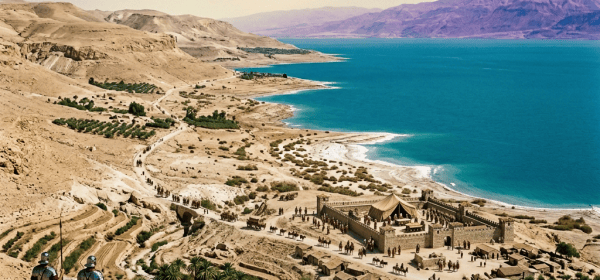
History of Syria Palaestina
The presentation below is a chronological overview of Palestine from Alexander’s conquest around 332 BCE to the Six-Day War in June 1967, followed by an

Replacement Is Real
White people are being driven to extinction

A World Without European Colonialism and Dominance
Including the Absence of Inventions from European Colonies A world without Europeans would likely be more fragmented, demographically distinct, and technologically slower to develop. The

The White Man Created the Mexican Ethnicity
How Mexican Identity Was Formed Mexican identity was not born from a single ethnicity but grew out of centuries of mixing, conflict, and deliberate nation-building.

History Of Human Sacrifice and Cannibalism
Societies where human sacrifice or cannibalism is supported by archaeology, texts, or direct observation. It grades the evidence and treats body counts as claims, not


You must be logged in to post a comment.