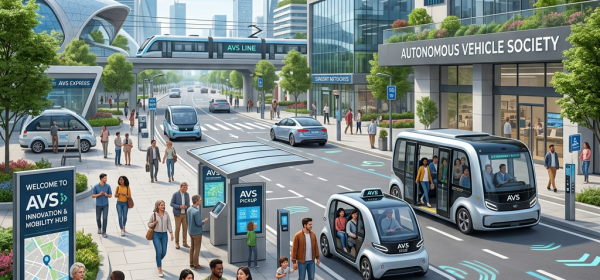
This presentation argues that autonomous vehicles represent a quiet but profound public-safety revolution. It opens with the human cost of driving — roughly 40,000 U.S. traffic deaths a year, nearly 12,000 of them alcohol-related, with about 94% of crashes traced to human error — and shows how machine drivers eliminate that root cause through 360-degree perception, millisecond reactions, and freedom from impairment, fatigue, and distraction. Early real-world evidence across ~50 million driverless miles points to 68% fewer police-reported crashes, 81% fewer injury crashes, and dramatic drops in insurance claims, with especially large gains for pedestrians, cyclists, and heavy-truck freight, where fatigue and long hours drive a disproportionate share of fatalities. The deck then turns to crime, showing how driverless fleets make vehicle theft pointless, act as always-on witnesses, reduce assault risk in late-night rides, cut escalation-prone traffic stops, remove the getaway car and the drunk drive home, and cooperate automatically with first responders — while also extending mobility to older adults, people with disabilities, late-shift workers, and teens. It closes honestly with the tradeoffs — surveillance creep, data security, hacking, and the displacement of millions of driving jobs — and proposes concrete guardrails such as warrant-based footage access, short data retention, mandatory safety reporting, and independent audits, concluding that safety is a design choice and that the real question is what rules arrive alongside the technology.