How Mexican Identity Was Formed
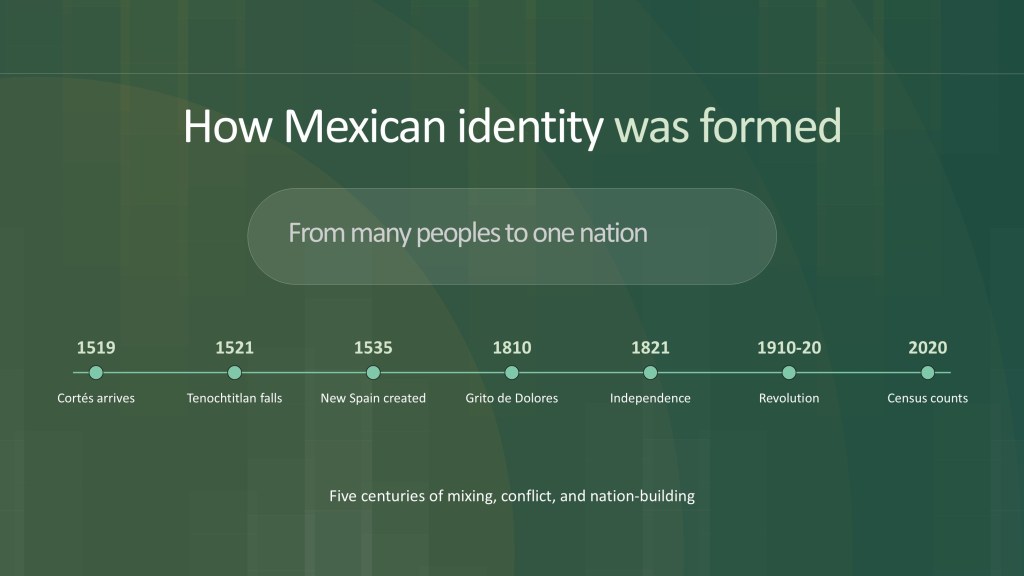
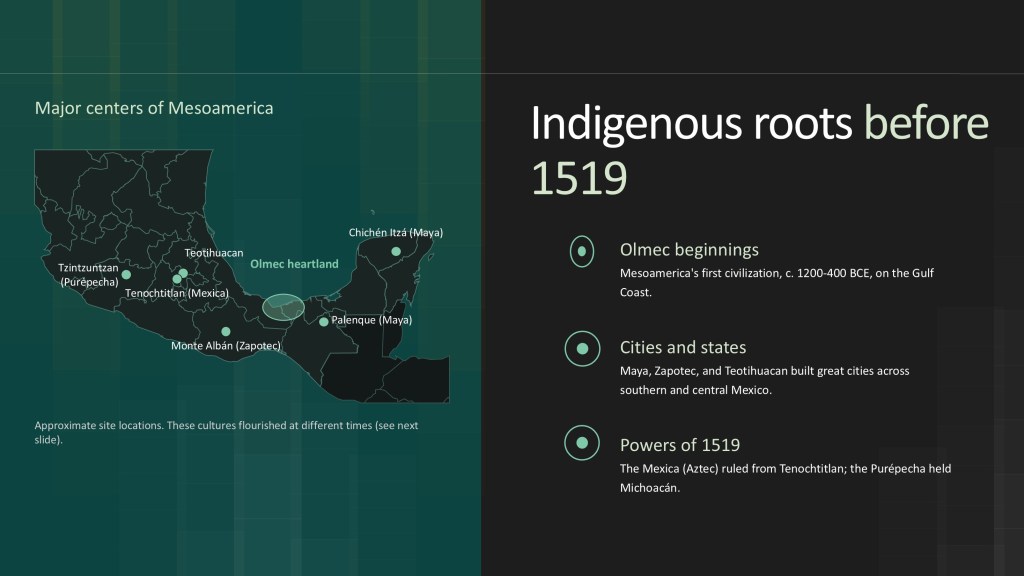
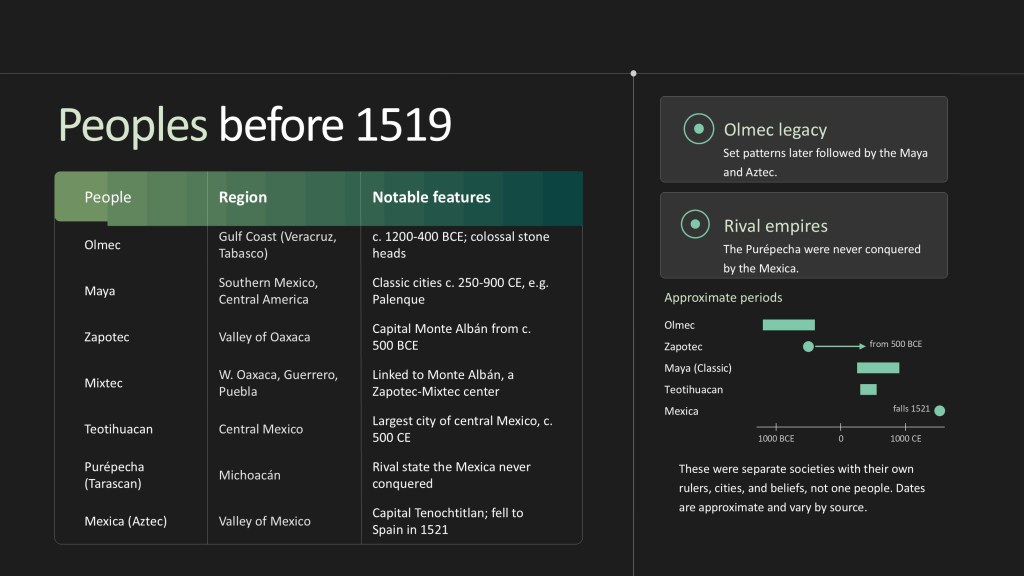
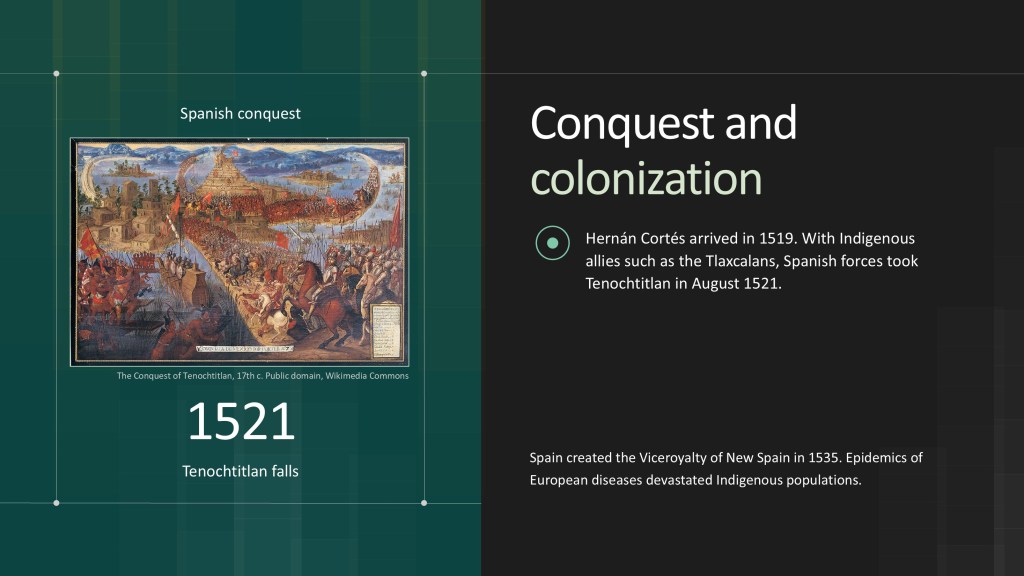
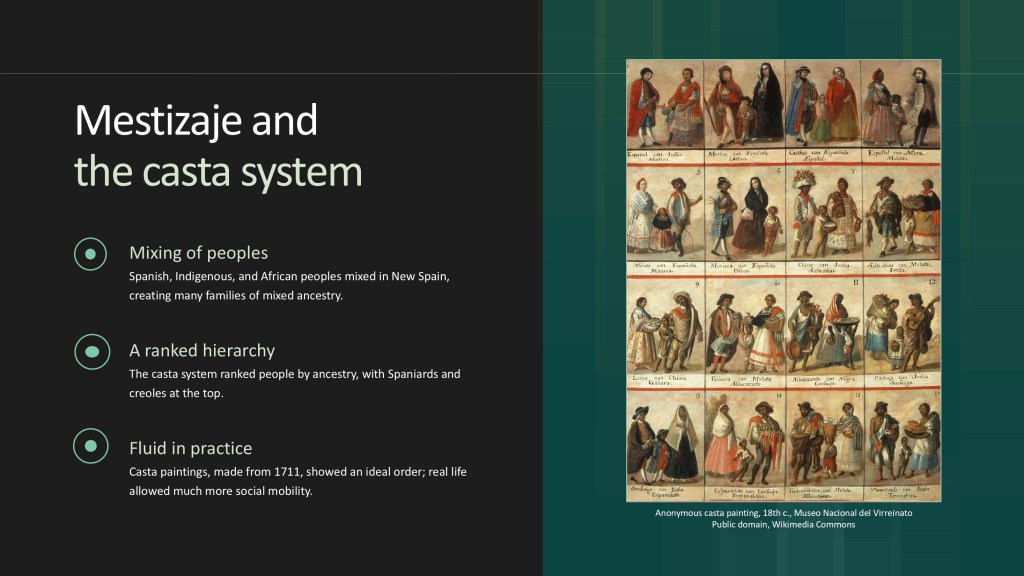
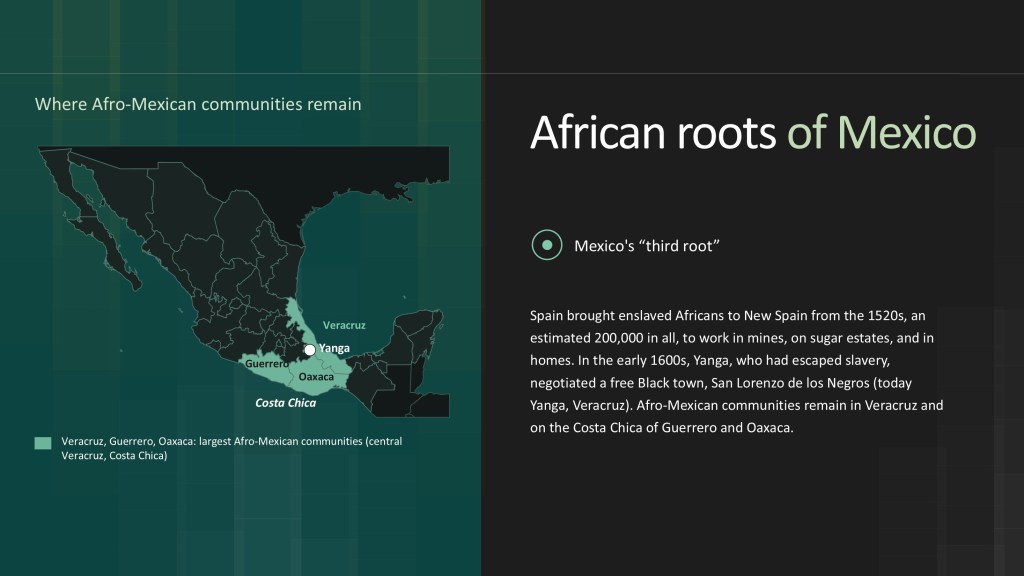
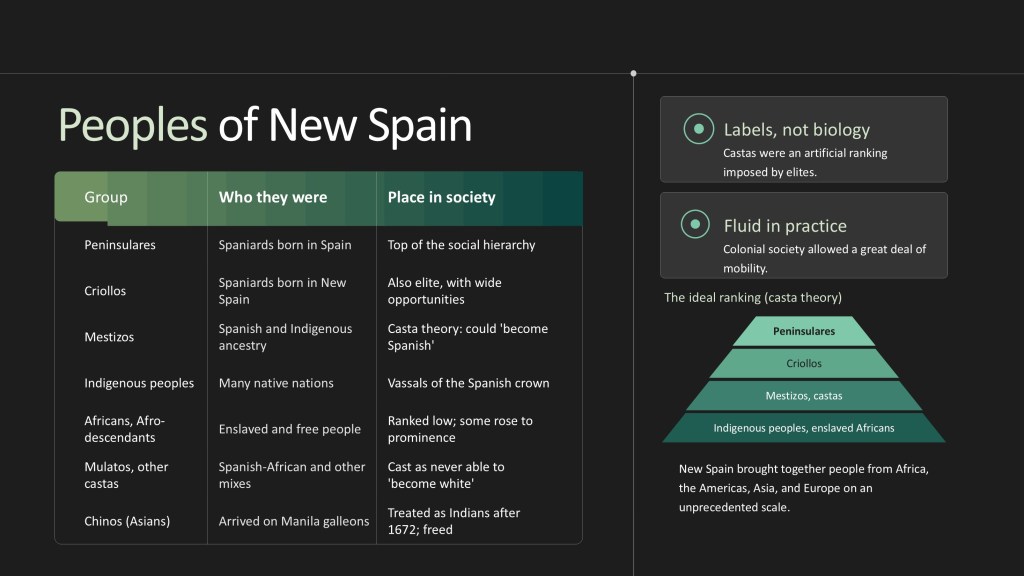
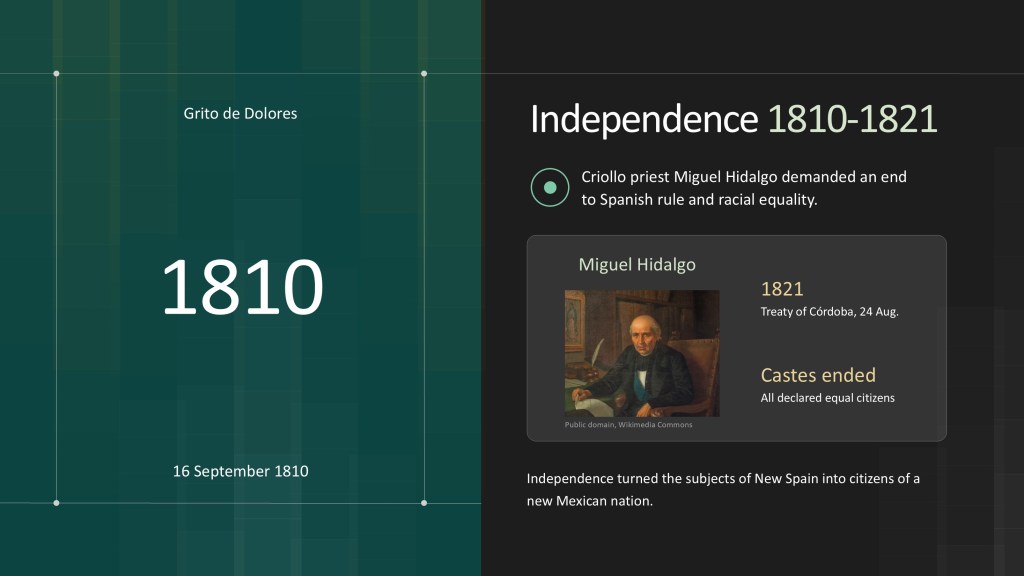
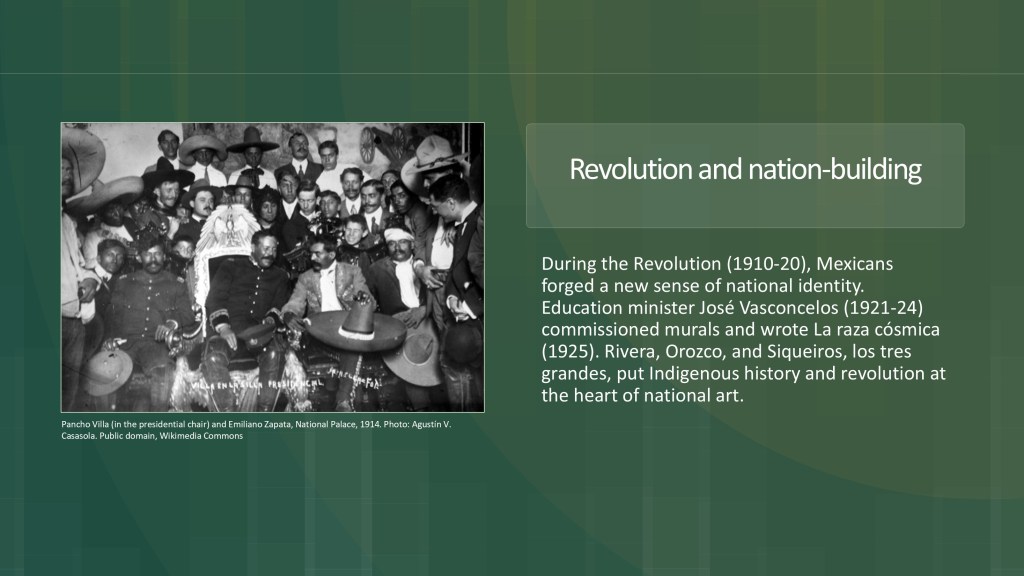
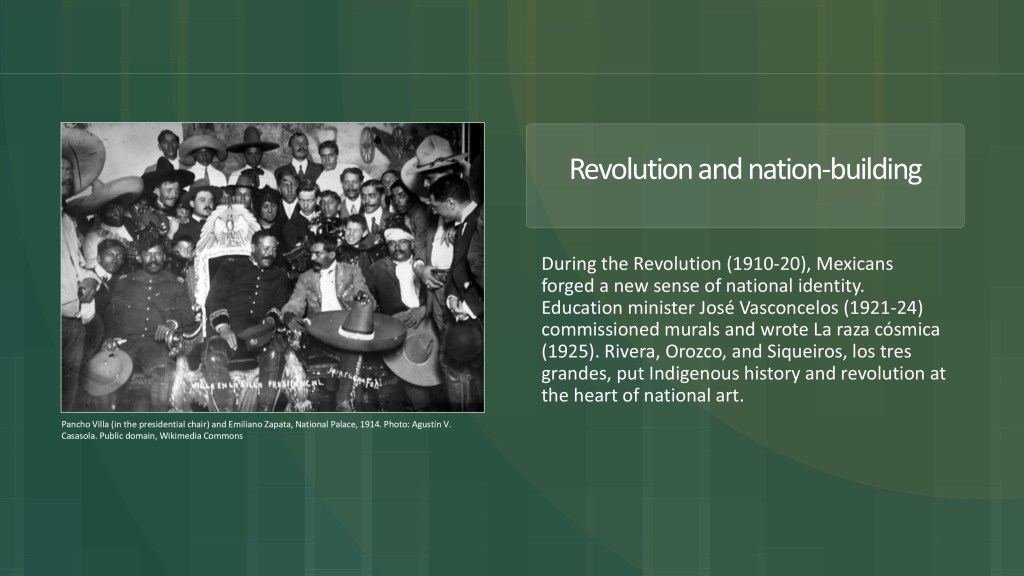
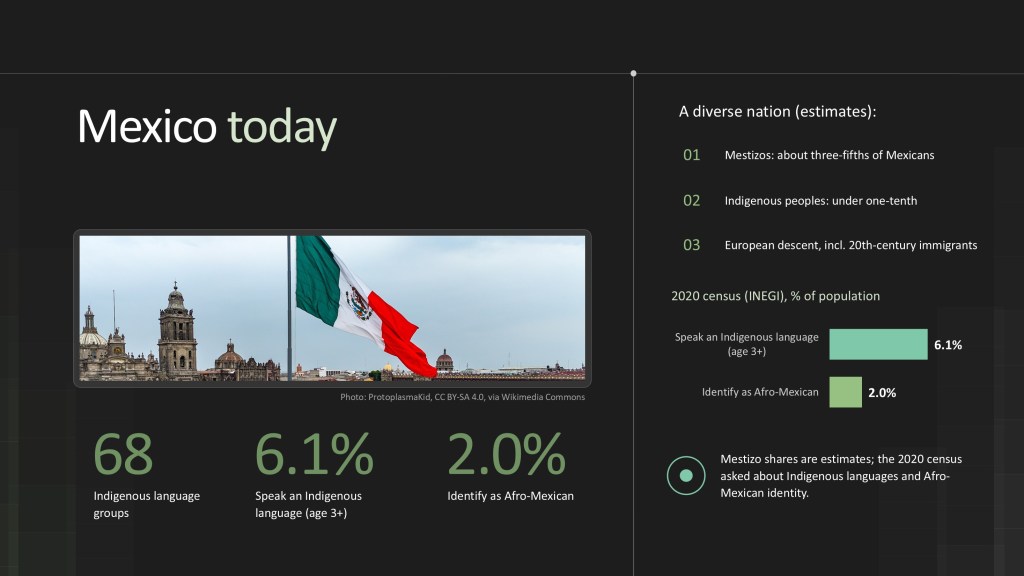
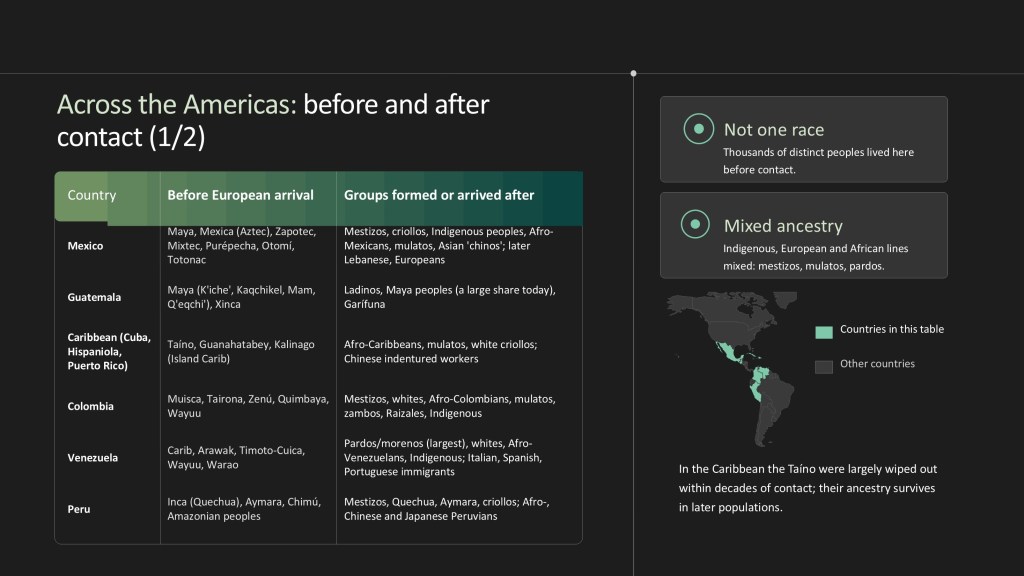
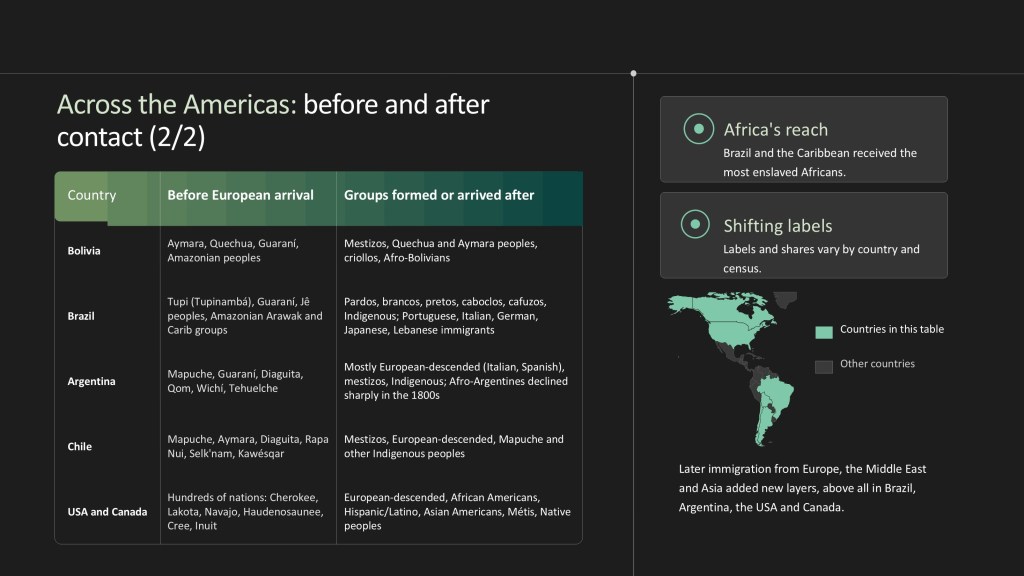
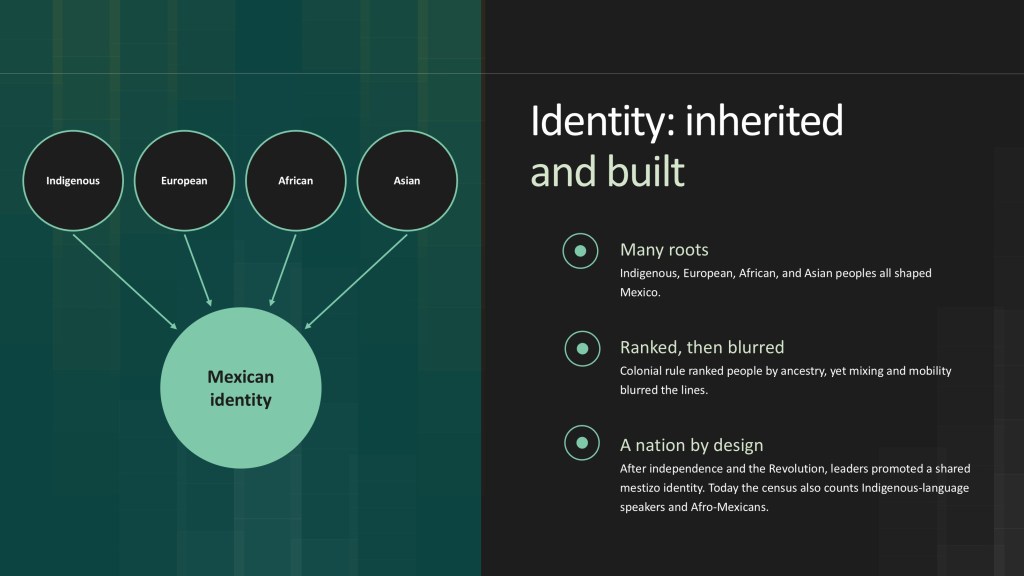
Mexican identity was not born from a single ethnicity but grew out of centuries of mixing, conflict, and deliberate nation-building. Long before 1519, the region was home to many distinct peoples, from the Olmec on the Gulf Coast to the Maya, Zapotec, Mixtec, Teotihuacan, Purépecha, and the Mexica (Aztec) at Tenochtitlan. Hernán Cortés arrived in 1519, and with Indigenous allies such as the Tlaxcalans, Spanish forces took Tenochtitlan in 1521, while European diseases devastated Indigenous populations and Spain established the Viceroyalty of New Spain in 1535. Over the colonial era, Spanish, Indigenous, and African peoples mixed, joined by an estimated 200,000 enslaved Africans and by Asian arrivals on the Manila galleons, and the casta system ranked people by ancestry even as real life blurred those lines. Independence, launched by the criollo priest Miguel Hidalgo’s Grito de Dolores in 1810 and won in 1821, turned colonial subjects into citizens of a new Mexican nation. After the Revolution of 1910 to 1920, leaders such as José Vasconcelos and muralists like Diego Rivera promoted a shared mestizo identity that honored Indigenous heritage. Today Mexico recognizes 68 Indigenous language groups, about 6.1% of people speak an Indigenous language, and 2.0% identify as Afro-Mexican, showing an identity that is both inherited and built.